Advocacy

Fighting for the Right to Compete

In June 2025, I was barred from competing in the coastal rowing beach sprint because of my visual impairment. No warning. No precedent. No evidence. Just a decision made months earlier that no one told us about until two weeks before trials.

I’ve spent the last six months fighting to change this – not just for myself, but for every visually impaired athlete who deserves the right to compete.

What Happened

In March 2025, World Rowing introduced a bylaw restricting beach sprint PR3 eligibility to physically impaired athletes only, excluding visually impaired athletes. This change reversed over a decade of inclusive practice in para rowing, where VI and PI athletes have competed together successfully in both flatwater and coastal events.

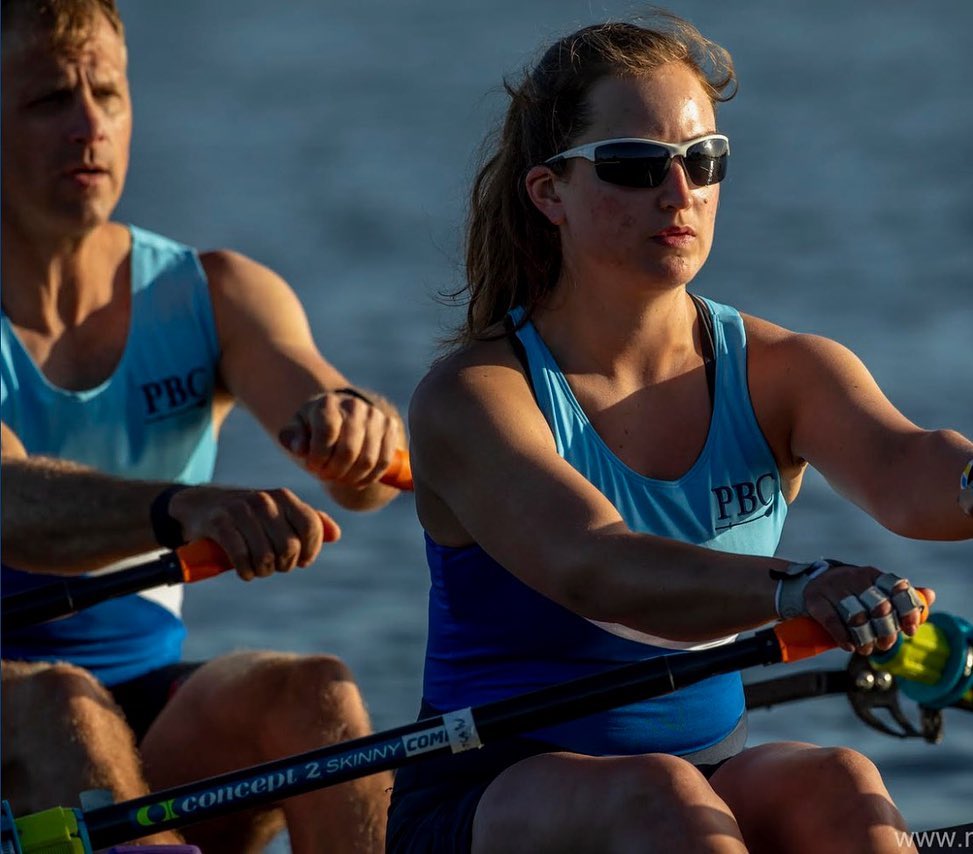
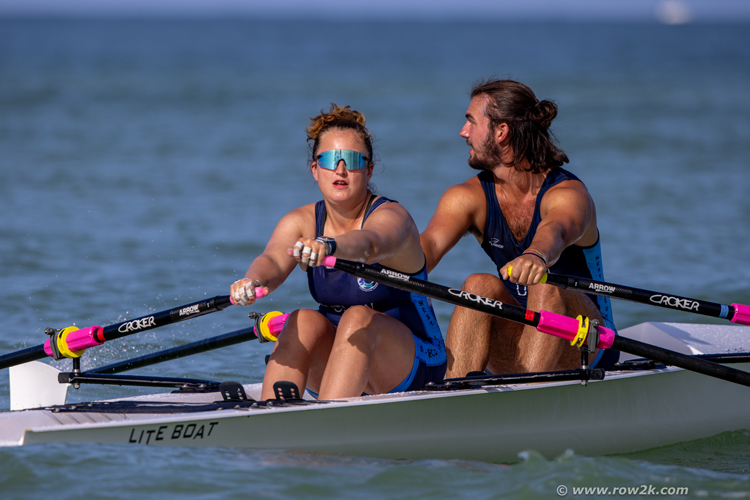
The bylaw was passed without communication to athletes or national federations. I trained from December 2024 through June 2025 under the assumption I was eligible – having successfully competed and medaled in beach sprints in Peru, Costa Rica, the Netherlands, Boston, and at US trials with zero safety incidents.

June 17, 2025: Two weeks before trials, I learned I was ineligible. World Rowing officials told me the only path forward was for US Rowing to submit a formal appeal.


June 18, 2025: I submitted a formal request to US Rowing asking them to appeal the bylaw. They declined, citing “serious safety concerns raised by umpires and event organizers.”


June 27, 2025: My rowing partner, a US Coast Guard veteran with extensive water rescue experience, submitted a comprehensive safety analysis and proposed solutions. US Rowing declined again – just two days before the June 29 deadline to submit proposals for the September World Rowing Congress.

The deadline passed. The issue was never discussed at Congress. My 2025 season was over.

The Core Problems

No Evidence for “Safety Concerns” Despite multiple requests for specific examples, data, or documentation, neither US Rowing nor World Rowing has provided evidence that VI athletes pose safety risks. Both organizations demand proof that VI athletes can compete safely, yet won’t allow VI athletes to race – creating an impossible standard where we’re required to provide evidence we’re prevented from gathering. The incident frequently referenced (Genoa 2024) involved a non-para crew capsizing in challenging wave conditions – an inherent risk of coastal rowing that affects all athletes regardless of classification. Notably, junior athletes (under 18) competed at the same event and continue to be welcomed in the sport, yet adult VI athletes are deemed too unsafe to participate.

Discriminatory Double Standard US Rowing demands “substantial data” and “weighty and complete” evidence from VI athletes to reverse the bylaw, yet the bylaw was enacted with no evidence that VI athletes pose safety risks. We’re being asked to prove we’re safe when no other athletes – para or able-bodied – are required to prove this.

Decisions Made Without Athletes The bylaw was created and enforced without consulting the athletes it affects. Visually impaired rowers were excluded from discussions about our own eligibility. When we provided research, expert analysis, and proposed safety solutions, they were dismissed.

Pattern of Exclusion This isn’t an isolated incident. VI athletes have also been excluded from U23 PR3 1x events. This pattern signals a troubling shift away from inclusion in emerging rowing disciplines.

Why This Matters
This exclusion sets a dangerous precedent: governing bodies can remove entire classifications of athletes based on disability alone, without evidence, consultation, or justification.

If they can do this to visually impaired rowers, they can do it to anyone.

I’ve competed successfully for over a decade – including multiple beach sprint medals – with zero safety incidents.

What I'm Doing

I’ve exhausted every prescribed channel:

Submitted formal requests to US Rowing
Provided expert safety analysis and proposed solutions
Sought guidance from the USOPC Athlete Ombudsman
Contacted World Rowing officials directly
Filed formal discrimination complaints with US Rowing and World Rowing
October 2025: I submitted a formal grievance to US Rowing’s DEI Committee, requesting:

Intervention to require US Rowing to submit the bylaw change at the next World Rowing Congress
Full disclosure of the decision-making process
Production of all evidence supporting alleged safety concerns
Inclusion of VI athletes in all decisions affecting our eligibility
Representation at World Rowing Congress by someone knowledgeable about para coastal rowing.
I continue to train, compete, and document everything. I’m building support from coaches, advocacy organizations, and fellow athletes. I’m not giving up.

How You Can Help

Stay Informed Follow my journey on my social media. Share my story. Tag organizations and decision-makers who care about inclusion in sports.

Support Organizations Fighting for VI Athletes

These organizations have been instrumental in advocating for visually impaired athlete inclusion:

Para Rowing Foundation

Independent organization advocating for para rowers worldwide, providing critical support and guidance throughout the appeal process

World Blind Union

Global organization representing 285 million blind and partially sighted people, advocating for rights and inclusion across all areas of life including sports

Take Action (Coming Soon)

 I’m developing template letters and petitions to World Rowing and US Rowing. Sign up for updates to be notified when these advocacy tools are available.

Support My Training & Advocacy The work of fighting systemic discrimination takes time, resources, and persistence. If you’d like to support both my athletic career and advocacy efforts: